
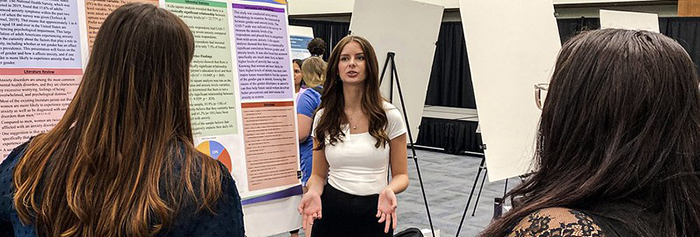
The purpose of the Annual Morehead State University Celebration of Student Scholarship is to share and showcase the outstanding scholarly work of students involved in the Undergraduate Research Fellowship Program to the greater campus community. Initiated in the Spring of 2006, the annual celebration has grown into a day-long event of presentations, exhibitions, and performances by students from all colleges including Business and Technology, Education, Arts, Humanities, and Social Sciences, and Science.
Metadata by Kaitlyn P'Simer.
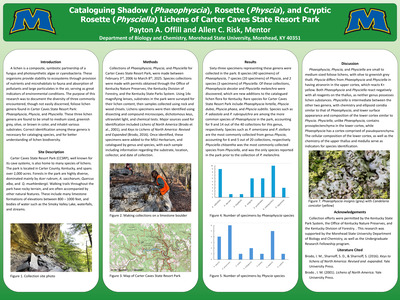
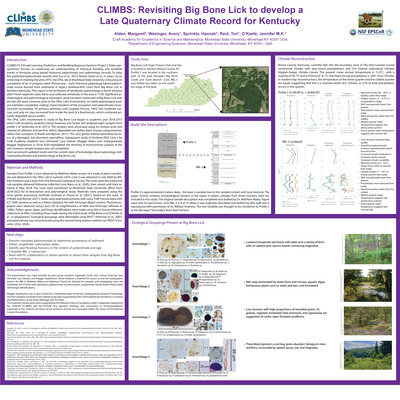
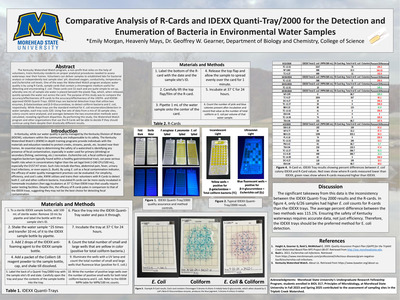
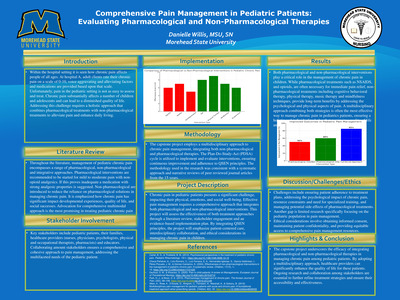
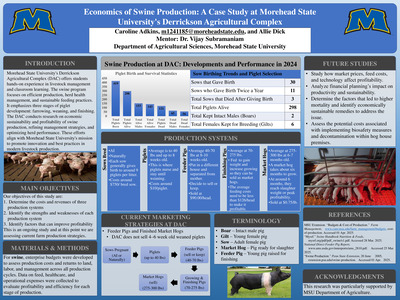
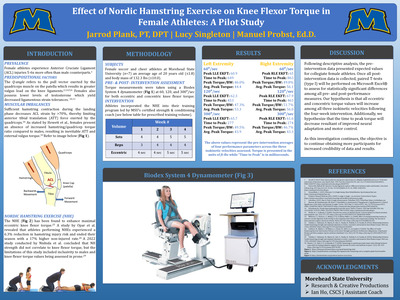
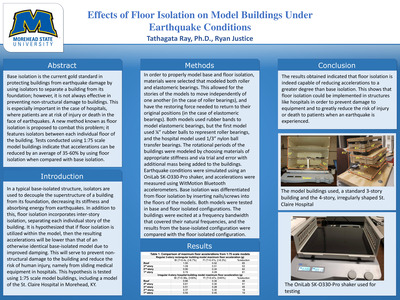
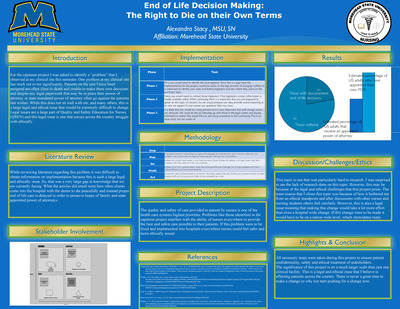
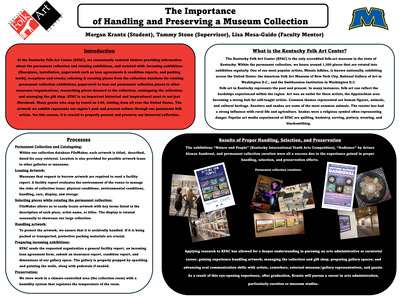
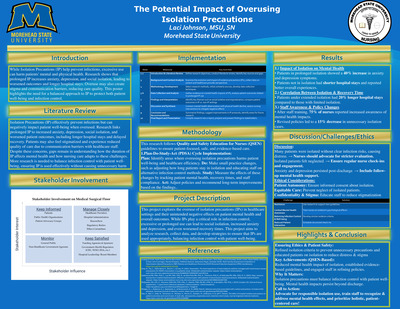
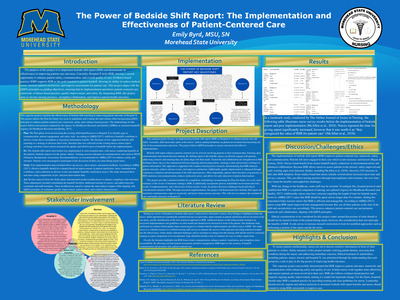
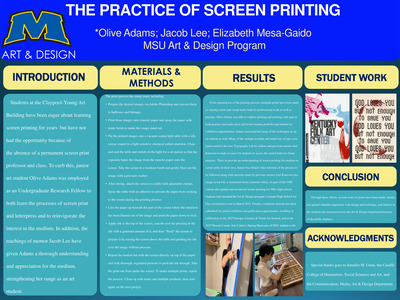
-
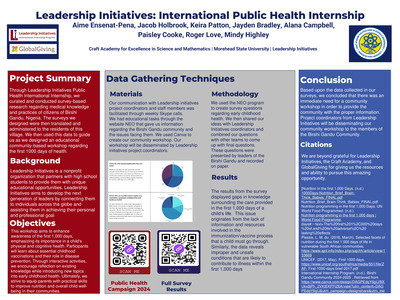
Leadership Initiatives: International Public Health Internship
Jayden Bradley, Alana Campbell, Paisley Cooke, Aime Ensenat-Pena, Mindy Highley, Jacob Holbrook, Roger Love, and Keira Patton
-
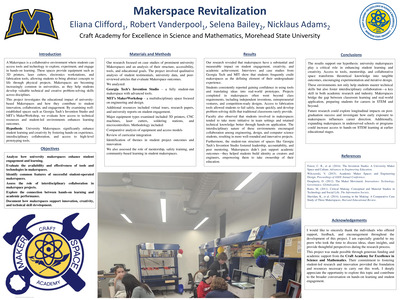
Makerspace Revitalization
Nicklaus Adams, Selena Bailey, Eliana Clifford, and Robert Vanderpool
A Makerspace is a collaborative environment where students can access tools and technology to explore, experiment, and engage in hands-on learning. These spaces provide equipment such as 3D printers, laser cutters, electronics workstations, and fabrication tools, allowing students to bring abstract concepts to life through physical projects. Makerspaces are becoming increasingly common in universities, as they help students develop valuable technical and creative problem-solving skills across disciplines. This project investigates the educational impact of university-based Makerspaces and how they contribute to student innovation, collaboration, and engagement. By examining well-established spaces such as Georgia Tech’s Invention Studio and MIT’s Maker Workshop, we evaluate how access to technical resources and student-led environments enhances learning outcomes. Hypothesis: University Makerspaces significantly enhance student learning and creativity by fostering hands-on experience, interdisciplinary collaboration, and access to high-level prototyping tools.
-
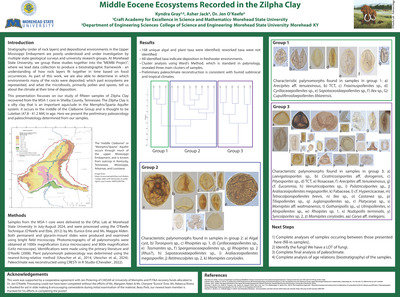
Middle Eocene Ecosystems Recorded in the Zilpha Clay
Kyndra Gray, Asher Jack, and Jen O'Keefe
This presentation focusses on our study of fifteen samples of Zilpha Clay recovered from the MSA-1 core in Shelby County, Tennessee.
-
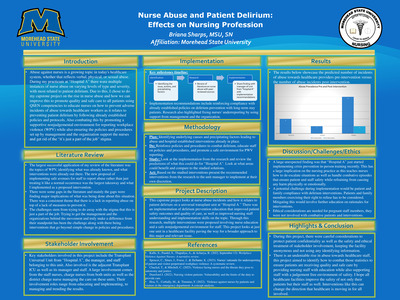
Nurse Abuse and Patient Delirium: Effects on Nursing Profession
Briana Sharps
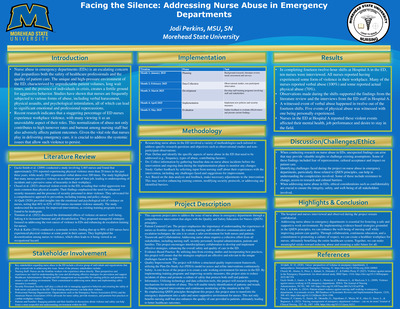
Abuse against nurses is a growing topic in today's healthcare system, whether that reflects verbal, physical, or sexual abuse. During my practicum at “Hospital A” there were multiple instances of nurse abuse on varying levels of type and severity, with most related to patient delirium. Due to this, I chose to do my capstone project on the rise in nurse abuse and how we can improve this to promote quality and safe care to all patients using QSEN competencies to educate nurses on how to prevent adverse incidents of abuse towards healthcare workers as it relates to preventing patient delirium by following already established policies and protocols. Also combating this by promoting a supportive nonjudgemental environment for reporting workplace violence (WPV) while also ensuring the policies and procedures set up by management and the organization support the nurses and get rid of the “it’s just a part of the job” stigma.
-
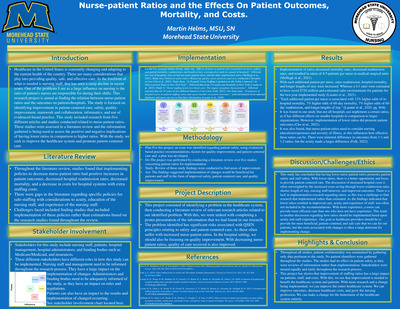
Nurse-patient Ratios and the Effects On Patient Outcomes, Mortality, and Costs.
Martin Helms
Healthcare in the United States is constantly changing and adapting to the current health of the country. There are many considerations that play into providing quality, safe, and effective care. At the forefront of what is needed is nursing staff, that has seen a steep decline in recent years. One of the problems I see as a large influence on nursing is the ratio of patient's nurses are responsible for during their shifts. This research project is aimed at finding the relation between nurse-patient ratios and the outcomes on patients/hospitals. The study is focused on identifying improvement in patient-centered care, safety, quality improvement, teamwork and collaboration, informatics, and use of evidenced-based practice. This study included research from five different articles and studies conducted related to nurse-patient ratios. These studies were assessed in a literature review and the information gathered is being used to assess the positive and negative implications of having lower ratios in comparison to higher ratios. With the study, we seek to improve the healthcare system and promote patient-centered care.
-
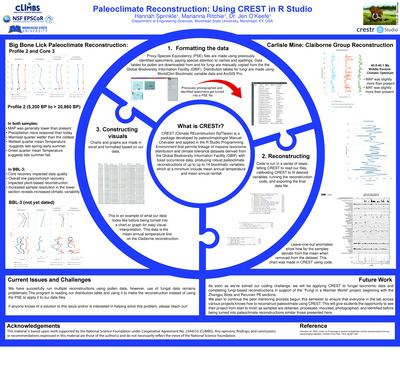
Paleoclimate Reconstruction: Using CREST in R Studio
Marianna Ritchie, Hannah Sprinkle, and Jennifer O'Keefe
CREST (Climate Reconstruction Software) is a package developed by paleoclimatologist Manuel Chevalier and applied in the R Studio Programming Environment that permits linkage of massive taxonomic distribution and climate tolerance datasets derived from the Global Biodiversity Information Facility (GBIF) with fossil occurrence data, producing robust paleoclimate reconstructions of up to up to 14 bioclimatic variables, which at a minimum include mean annual temperature and mean annual rainfall.
-
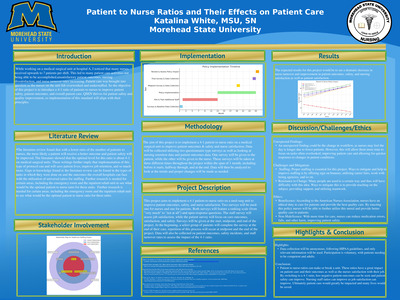
Patient to Nurse Ratios and Their Effects on Patient Care
Katalina White
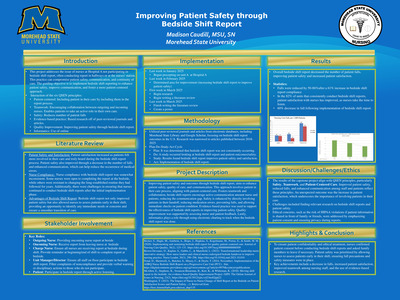
While working on a medical surgical unit at hospital A, I noticed that many nurses received upwards to 7 patients per shift. This led to many patient care activities not being able to be accomplished, unsatisfactory patient outcomes, nursing dissatisfaction, and nurse turnover rates increasing. Patient care was brought into question as the nurses on the unit felt overworked and understaffed. So the objective of this project is to introduce a 4-1 ratio of patients to nurses to improve patient safety, patient outcomes, and overall patient care. QSEN thrives for patient safety and quality improvement, so implementation of this standard will align with their principles.
-
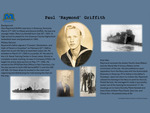
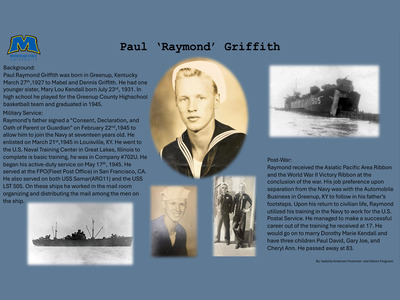
Paul "Raymond" Griffith Soldier from Eastern Kentucky
Isabella Anderson-Huseman, Allison Ferguson, and Adrian Mandzy
The Poster of Paul "Raymond" Griffith was a public history project Allison, and I completed in our Fall of 2024 Junior Seminar class. Paul was an Eastern Kentucky native who served in World War II. The project was to highlight those soldiers from eastern Kentucky who served during World War II. Griffith was a great uncle to Allison which allowed us to highlight his sacrifice and show how he was impacted by the war. The poster highlights the sacrifice Paul Griffith made for his country
-
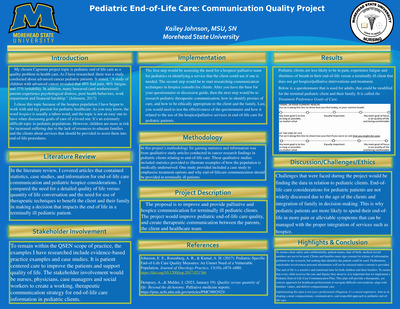
Pediatric End-of-Life Care: Communication Quality Project
Kailey Johnson
My chosen Capstone project topic is pediatric end of life care as a quality problem in health care. As I have researched, there was a study conducted about advanced cancer pediatric patients. It stated, “A study of children with advanced cancer revealed that 48% had pain, 46% fatigue, and 37% irritability. In addition, many bereaved (and nonbereaved) parents experience psychological distress, poor health behaviors, work impairment and financial hardship.” (Johnston, 2017) I chose this topic because of the hospice population I have begun to work with and my passion for pediatric healthcare. As you may know, the word hospice is usually a taboo word, and the topic is not an easy one to have when discussing goals of care of a loved one. It’s an extremely difficult topic in pediatric populations. However, children are more at risk for increased suffering due to the lack of resources to educate families and the clients about services that should be provided to assist them into end-of-life procedures.
-
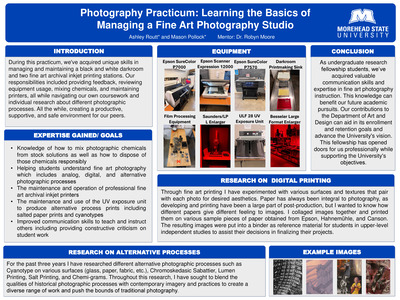
Photography Practicum: Learning the Basics of Managing a Fine Art Photography Studio
Mason Pollock, Ashley Routt, and Robyn Moore
During this practicum, we've acquired unique skills in managing and maintaining a black and white darkroom and two fine art archival inkjet printing stations. Our responsibilities included providing feedback, reviewing equipment usage, mixing chemicals, and maintaining printers, all while navigating our own coursework and individual research about different photographic processes. All the while, creating a productive, supportive, and safe environment for our peers.
-
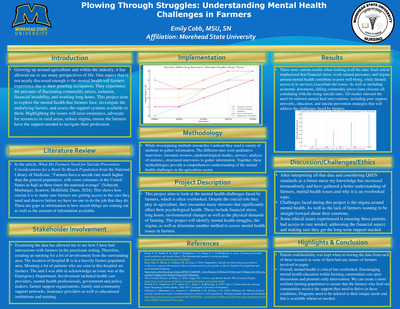
Plowing Through Struggles: Understanding Mental Health Challenges in Farmers
Emily Cobb
Growing up around agriculture and within the industry, it has allowed me to see many perspectives of life. One aspect that is not nearly discussed enough is the mental health toll farmers experience due to their grueling occupation. They experience the pressure of fluctuating commodity prices, isolation, financial instability, and working long hours. This project aims to explore the mental health that farmers face, investigate the underlying factors, and assess the support systems available to them. Highlighting the issues will raise awareness, advocate for resources in rural areas, reduce stigma, ensure the farmers have the support needed to navigate their profession.
-
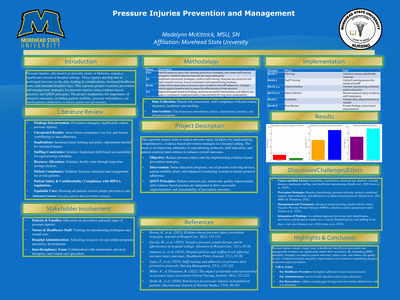
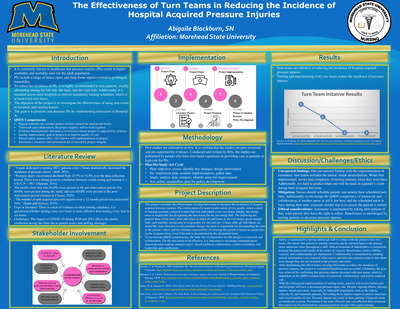
Pressure Injuries Prevention and Management
Madelynn McKittrick
Pressure injuries, also known as pressure ulcers or bedsores, remain a significant concern in hospital settings. These injuries develop due to prolonged pressure on the skin, leading to complications, increased healthcare costs, and extended hospital stays. This capstone project examines prevention and management strategies for pressure injuries using evidence-based practices and QSEN principles. The project emphasizes the importance of proactive measures, including patient mobility, pressure redistribution, and interdisciplinary collaboration, to enhance patient care and outcomes.
-
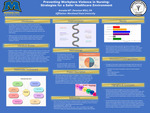
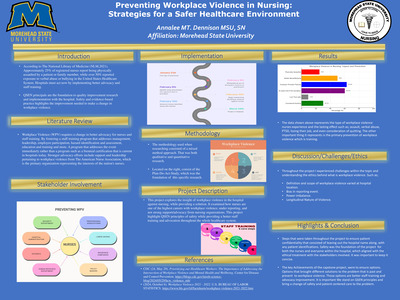
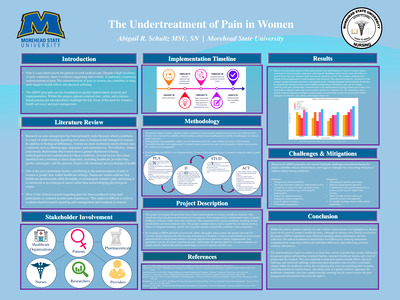
Preventing Workplace Violence in Nursing: Strategies for a Safer Healthcare Environment
Annalee MT. Dennison
According to The National Library of Medicine (NLM,2021), Approximately 25% of registered nurses report being physically assaulted by a patient or family member, while over 50% reported exposure to verbal abuse or bullying in the United States Healthcare System. Hospitals must act now by implementing better advocacy and staff training. QSEN principals are the foundation to quality improvement research and implementation with the hospital. Safety and evidence-based practice highlights the improvement needed to make a change in workplace violence.
-
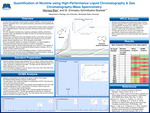
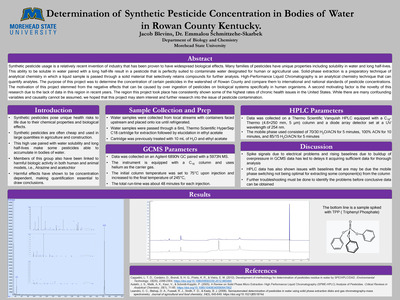
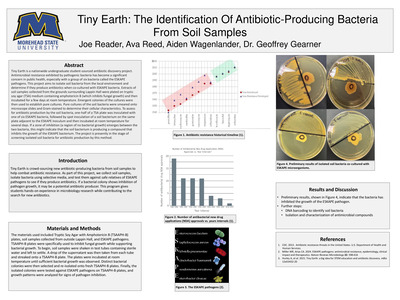
Quantification of Nicotine using High-Performance Liquid Chromatography & Gas Chromatography-Mass Spectrometry
Marissa Blair and Emmalou Schmittzehe-Skarbek
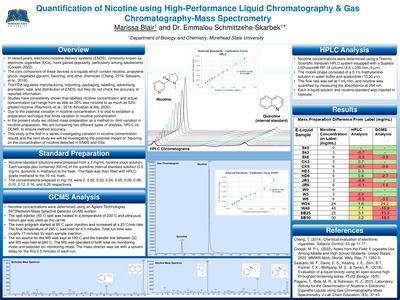
In recent years, electronic nicotine delivery systems (ENDS), commonly known as electronic cigarettes (ECs), have gained popularity, particularly among adolescents (Cooper, 2022). • The core component of these devices is e-liquids which contain nicotine, propylene glycol, vegetable glycerin, flavoring, and other chemicals (Cheng, 2014; Sassano, et al., 2018). • The FDA regulates manufacturing, importing, packaging, labelling, advertising, promotion, sale, and distribution of ENDS, but they do not check the accuracy of reported information. • Studies have consistently shown that labelled nicotine concentration and actual concentration can range from as little as 35% less nicotine to as much as 52% greater nicotine (Raymond, et al., 2018; Alhusban & Ata, 2020). • Due to the potential variation in nicotine concentration, it is vital to establish a preparation technique that limits variation in nicotine concentration. • In the present study we utilized mass preparation as a method to limit variation in nicotine preparation. We are comparing two different types of analysis, HPLC vs. GCMS, to ensure method accuracy. • This study is the first in a series investigating variation in nicotine concentration results and the next study we will be investigating the potential impact of flavoring on the concentration of nicotine detected in ENDS and ECs.
-
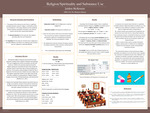
Religion/Spirituality and Substance Use
Jaiden McKenzie and Monica Himes
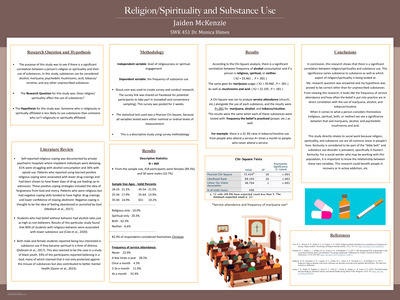
The purpose of this study was to see if there is a significant correlation between a person’s religion or spirituality and their use of substances. In this study, substances can be considered alcohol, marijuana, psychedelic mushrooms, acid, tobacco/ nicotine, and any other unprescribed substance. • The Research Question for this study was: Does religion/ spirituality affect the use of substances? • The Hypothesis for this study was: Someone who is religiously or spiritually affiliated is less likely to use substances than someone who isn’t religiously or spiritually affiliated
-
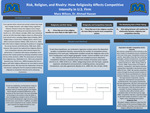
Risk, Religion, and Rivalry: How Religiosity Affects Competitive Intensity in U.S. Firm
Mara Wilson and Ahmad Hassan
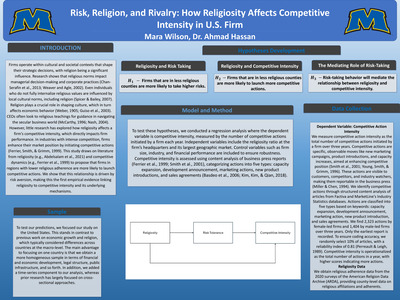
Firms operate within cultural and societal contexts that shape their strategic decisions, with religion being a significant influence. Research shows that religious norms impact managerial decision-making and corporate practices (Chan- Serafin et al., 2013; Weaver and Agle, 2002). Even individuals who do not fully internalize religious values are influenced by local cultural norms, including religion (Spicer & Bailey, 2007). Religion plays a crucial role in shaping culture, which in turn affects economic behavior (Weber, 1905; Guiso et al., 2003). CEOs often look to religious teachings for guidance in navigating the secular business world (McCarthy, 1996; Nash, 2004). However, little research has explored how religiosity affects a firm's competitive intensity, which directly impacts firm performance. In industries with intense competition, firms enhance their market position by initiating competitive actions (Ferrier, Smith, & Grimm, 1999). This study draws on literature from religiosity (e.g., Abdelsalam et al., 2021) and competitive dynamics (e.g., Ferrier et al., 1999) to propose that firms in regions with lower religious adherence are more likely to launch competitive actions. We show that this relationship is driven by risk aversion, making this the first empirical evidence linking religiosity to competitive intensity and its underlying mechanisms.
-
Sammie Slusher: The Price of Freedom
Bryce Fletcher, Dawson Helton, Ty Ledford, and Adrian Mandzy
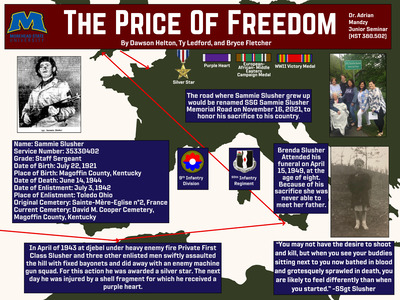
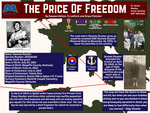
This presentation was a public history project completed in the fall of 2024 for Junior Seminar (HST-380-502). This project was completed by Dawson Helton, Bryce Fletcher, and Ty Ledford. The project was a part of The Impact of World War II in Eastern Kentucky Collection. Our project, in particular, was titled Sammie Slusher: The Price of Freedom. The project consisted of a poster and a PowerPoint presentation covering the life and military service of Magoffin County native and Silver Star recipient Staff Sergeant Sammie Slusher. The university printed a physical poster, and digital copies of both the poster and PowerPoint exist within ScholarWorks @ Morehead State. The project's goal was to uncover the details of Staff Sergeant Slusher's life and military service and present them in a way that would be easy for the public to access and add to the narrative around eastern Kentucky during the Second World War. We achieved this through our research and the creation of our poster and PowerPoint presentations.
-
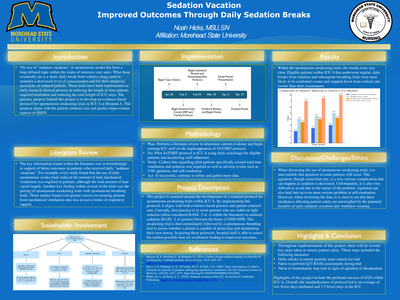
Sedation Vacation Improved Outcomes Through Daily Sedation Breaks
Noah Hicks
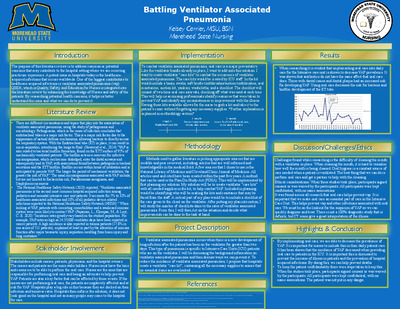
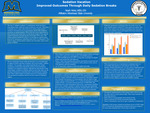
The use of “sedation vacations” or spontaneous awake has been a long-debated topic within the realm of intensive care units. What these essentially are is a short, daily break from sedative drugs used to maintain a decreased level of consciousness and for their analgesic/ anxiolytic on sedated patients. These trials have been implemented as early research showed promise in reducing the length of time patients required intubation and reducing the total length of ICU stays. The primary purpose behind this project is to develop an evidence-based protocol for spontaneous awakening trials in ICU A at Hospital A. This purpose aligns with the patient centered care and quality improvement aspects of QSEN.
-
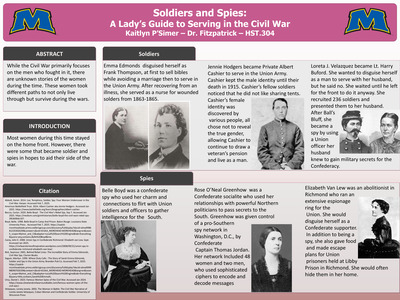
Soldiers and Spies: A Lady’s Guide to Serving in the Civil War
Kaitlyn P'Simer and Benjamin Fitzpatrick
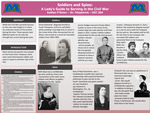
While the Civil War primarily focuses on the men who fought in it, there are unknown stories of the women during the time. These women took different paths to not only live through but survive during the war. Most women during this time stayed on the home front. However, there were some that became soldiers and spies in hopes to aid their side of the war.
-
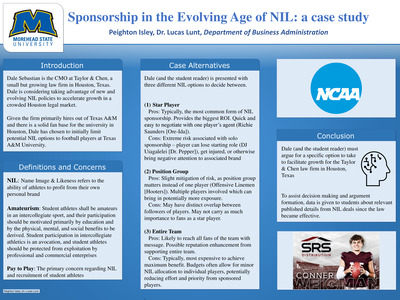
Sponsorship in the Evolving Age of NIL: a case study
Peighton Isley and Lucas Lunt
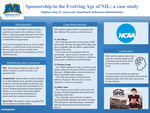
Dale Sebastian is the CMO at Taylor & Chen, a small but growing law firm in Houston, Texas. Dale is considering taking advantage of new and evolving NIL policies to accelerate growth in a crowded Houston legal market. Given the firm primarily hires out of Texas A&M and there is a solid fan base for the university in Houston, Dale has chosen to initially limit potential NIL options to football players at Texas A&M University.
-
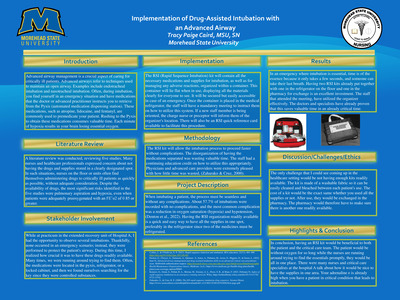
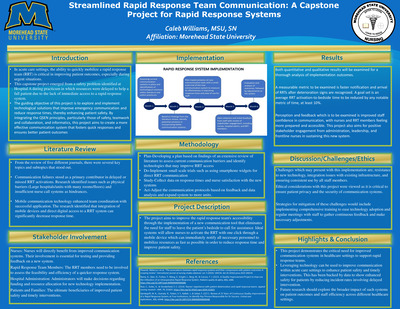
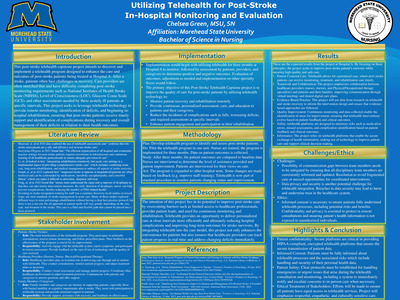
Streamlined Rapid Response Team Communication: A Capstone Project for Rapid Response Systems
Caleb Williams
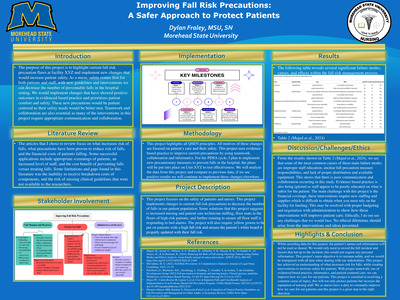
• In acute care settings, the ability to quickly mobilize a rapid response team (RRT) is critical in improving patient outcomes, especially during urgent situations. • This capstone project emerged fromfromasafety problem identified at Hospital A during practicum in which resources were delayed to help a fall patient due to the lack of immediate access to a rapid response system. • The guiding objective of this project is to explore and implement technological solutions that improve emergency communication and reduce response times, thereby enhancing patient safety. By integrating the QSEN principles, particularly those of safety, teamwork and collaboration, and informatics, this project aims to create a more effective communication system that fosters quick responses and ensures better patient outcomes
-
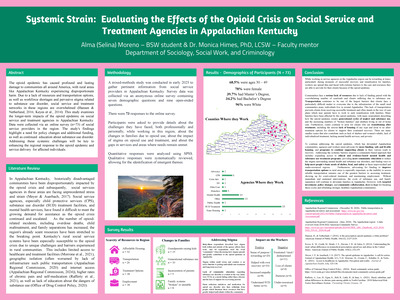
Systemic Strain: Evaluating the Effects of the Opioid Crisis on Social Service and Treatment Agencies in Appalachian Kentucky
Alma Selina Moreno and Monica Himes
The opioid epidemic has caused profound and lasting damage to communities all around America, with rural areas like Appalachian Kentucky experiencing disproportionate harm. Due to a lack of resources and transportation options, as well as workforce shortages and pervasive stigma related to substance use disorder, social service and treatment networks in these regions are overwhelmed (Hansen & Netherland, 2016; Keyes et al., 2014). This study examines the longer-term impacts of the opioid epidemic on social service and treatment agencies in Appalachian Kentucky. Data were collected via an online survey (n=73) of social service providers in the region. The study's findings highlight a need for policy changes and additional funding, as well as continued education about substance use disorder. Addressing these systemic challenges will be key to enhancing the regional response to the opioid epidemic and service delivery for affected individuals
-
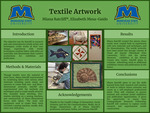
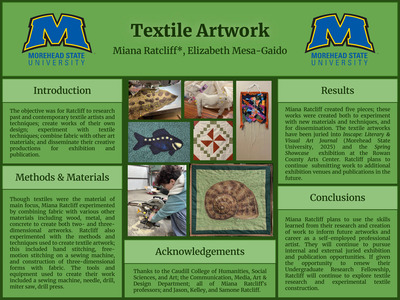
Textile Artwork
Maina Ratcliff and Elizabeth Mesa-Gaido
The objective was for Ratcliff to research past and contemporary textile artists and techniques; create works of their own design; experiment with textile techniques; combine fabric with other art materials; and disseminate their creative productions for exhibition and publication.
-
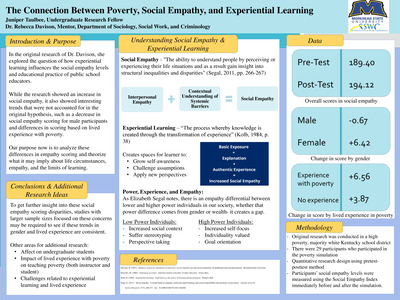
The Connection Between Poverty, Social Empathy, and Experiential Learning
Juniper Taulbee and Rebecca Davison
In the original research of Dr. Davison, she explored the question of how experiential learning influences the social empathy levels and educational practice of public-school educators. While the research showed an increase in social empathy, it also showed interesting trends that were not accounted for in the original hypothesis, such as a decrease in social empathy scoring for male participants and differences in scoring based on lived experience with poverty. Our purpose now is to analyze these differences in empathy scoring and theorize what it may imply about life circumstances, empathy, and the limits of learning.
-
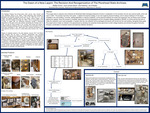
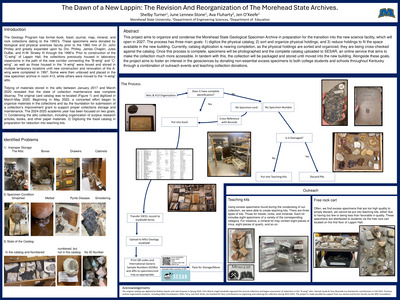
The Dawn of a New Lappin: The Revision and Reorganization of The Morehead State Archives
Ava Fluharty, June Lennex-Stone, Shelby Turner, and Jennifer O'Keefe
The Geology Program has formal book, fossil, journal, map, mineral, and rock collections dating to the 1950’s. These specimens were donated by biological and physical sciences faculty prior to the 1960 hire of Dr. John Philley and greatly expanded upon by Drs. Philley, James Chaplin, Jules DuBar, and H.W. Straley III through the 1990’s. Prior to construction of the “C-wing” of Lappin Hall, the collections previously housed in laboratory classrooms in the path of the new corridor connecting the “B-wing” and “Cwing”, as well as those housed in the “A-wing” were boxed and stored in multiple temporary locations until new construction and renovation of the Awing were completed in 1997. Some were then unboxed and placed in the new specimen archive in room 413, while others were moved to the “A-wing” attic. Tidying of materials stored in the attic between January 2017 and March 2020 revealed that the state of collection maintenance was complete disarray. The original card catalog was re-located (Figure 1) and digitized in March-May 2020. Beginning in May 2022, a concerted effort began to organize materials in the collections and lay the foundation for submission of a collection's improvement grant to support proper collections storage and maintenance. The 2024-2025 academic year has been focused on two goals. 1) Condensing the attic collection, including organization of surplus research articles, books, and other paper materials. 2) Digitizing the fossil catalog in preparation for reduction into teaching kits. Through this process, numerous problems have