
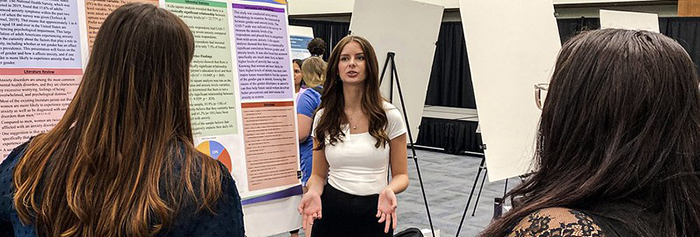
The purpose of the Annual Morehead State University Celebration of Student Scholarship is to share and showcase the outstanding scholarly work of students involved in the Undergraduate Research Fellowship Program to the greater campus community. Initiated in the Spring of 2006, the annual celebration has grown into a day-long event of presentations, exhibitions, and performances by students from all colleges including Business and Technology, Education, Arts, Humanities, and Social Sciences, and Science.
Metadata by Kaitlyn P'Simer.

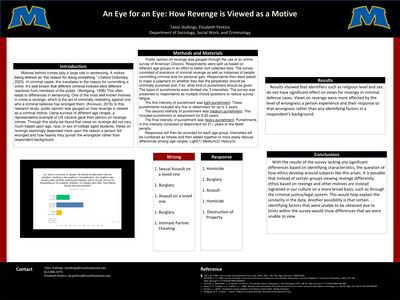
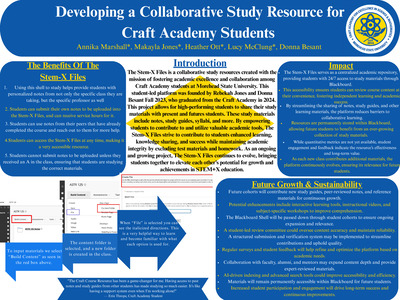
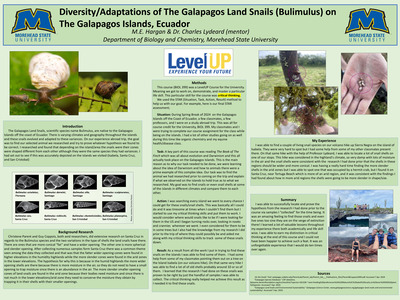
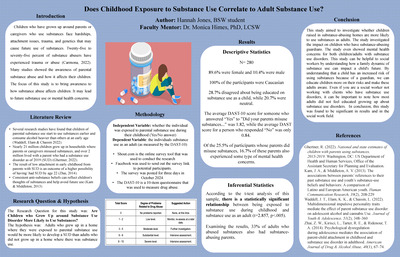
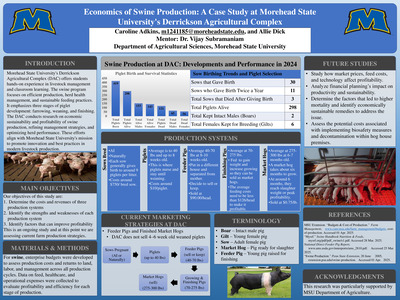
-
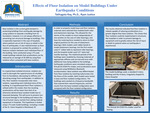
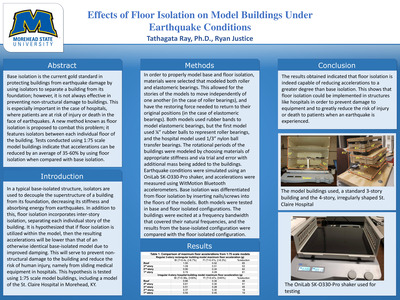
Effects of Floor Isolation on Model Buildings Under Earthquake Conditions
Ryan Justice and Tathagata Ray
Base isolation is the current gold standard in protecting buildings from earthquake damage by using isolators to separate a building from its foundation; however, it is not always effective in preventing non-structural damage to buildings. This is especially important in the case of hospitals, where patients are at risk of injury or death in the face of earthquakes. A new method known as floor isolation is proposed to combat this problem; it features isolators between each individual floor of the building. Tests conducted using 1:75 scale model buildings indicate that accelerations can be reduced by an average of 35-60% by using floor isolation when compared with base isolation.
-
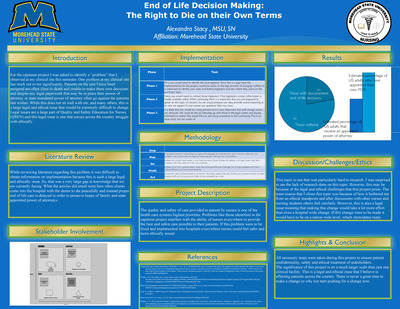
End of Life Decision Making: The Right to Die on their Own Terms
Alexandra Stacy
For the capstone project I was asked to identify a “problem” that I observed at my clinical site this semester. One problem at my clinical site has stuck out to me significantly. Patients on the unit I have been assigned are often close to death and unable to make their own decisions and despite any legal paperwork that may be in place their power of attorney or state mandated power of attorney often go against the patients last wishes. While this does not sit well with me, and many others, this is a large legal and ethical issue that would be extremely difficult to change. Legal issues are a large part of Quality and Safety Education for Nurses (QSEN) and this legal issue is one that nurses across the country struggle with ethically.
-
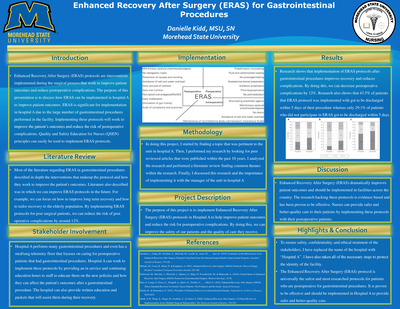
Enhanced Recovery After Surgery (ERAS) for Gastrointestinal Procedures
Danielle Kidd
Enhanced Recovery After Surgery (ERAS) protocols are interventions implemented during the surgical process that work to improve patient outcomes and reduce postoperative complications. The purpose of this presentation is to discuss how ERAS can be implemented in hospital A to improve patient outcomes. ERAS is significant for implementation in hospital A due to the large number of gastrointestinal procedures performed in the facility. Implementing these protocols will work to improve the patient’s outcomes and reduce the risk of postoperative complications. Quality and Safety Education for Nurses (QSEN) principles can easily be used to implement ERAS protocols.
-
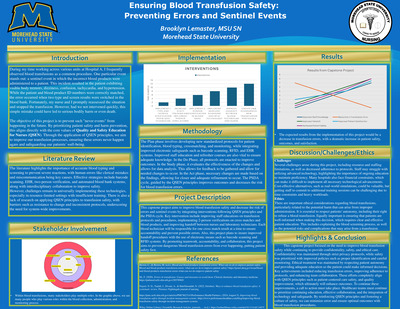
Ensuring Blood Transfusion Safety: Preventing Errors and Sentinel Events
Brooklyn Lemaster
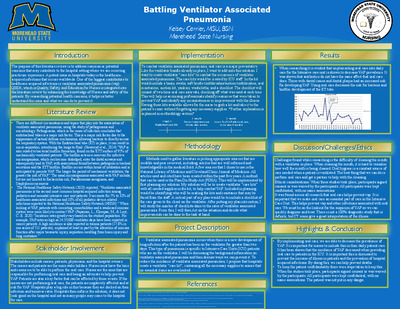
During my time working across various units at Hospital A, I frequently observed blood transfusions as a common procedure. One particular event stands out: a sentinel event in which the incorrect blood products were administered to a patient. This incident resulted in the patient exhibiting visible body tremors, dizziness, confusion, tachycardia, and hypertension. While the patient and blood product ID numbers were correctly matched, the error occurred when two type and screen results were switched in the blood bank. Fortunately, my nurse and I promptly reassessed the situation and stopped the transfusion. However, had we not intervened quickly, this simple mistake could have led to serious bodily harm or even death. The objective of this project is to prevent such "never events" from happening in the future. By prioritizing patient safety and harm prevention, this aligns directly with the core values of Quality and Safety Education for Nurses (QSEN). Through the application of QSEN principles, we aim to improve our transfusion processes, ensuring these errors never happen again and safeguarding our patients’ well-being.
-
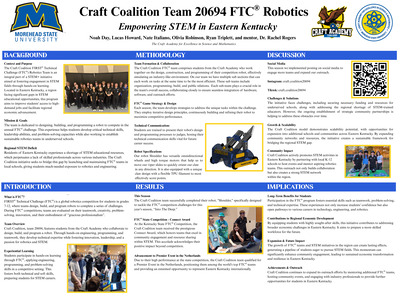
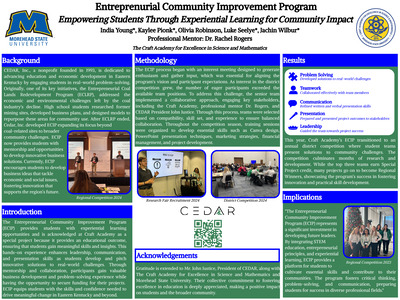
Entreprenurial Community Improvement ProgramEmpowering Students Through Experiential Learning for Community Impact
Kaylee Pionk, Olivia Robinson, Luke Seelye, Jachin Wilbur, India Young, and Rachel Rogers
-
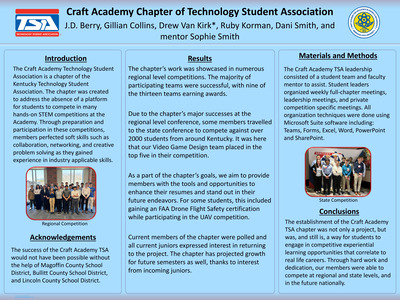
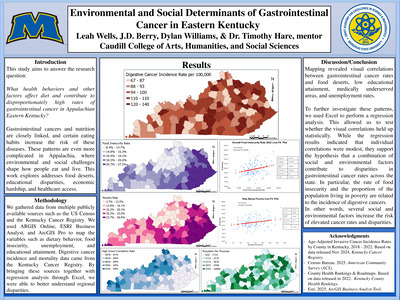
Environmental and Social Determinants of Gastrointestinal Cancer in Eastern Kentucky
J.D. Berry, Leah Wells, Dylan Williams, and Timothy Hare
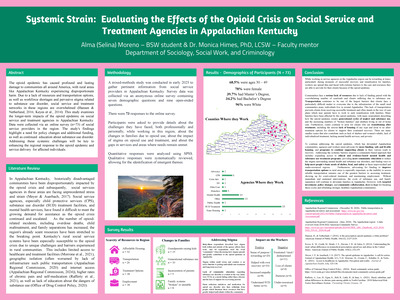
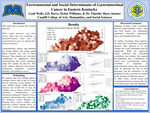
This study aims to answer the research question: What health behaviors and other factors affect diet and contribute to disproportionately high rates of gastrointestinal cancer in Appalachian Eastern Kentucky? Gastrointestinal cancers and nutrition are closely linked, and certain eating habits increase the risk of these diseases. These patterns are even more complicated in Appalachia, where environmental and social challenges shape how people eat and live. This work explores addresses food deserts, educational disparities, economic hardship, and healthcare access
-
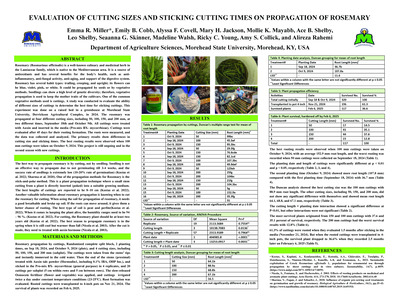
Evaluation of Cutting Sizes and Sticking Cutting Times on Propagation of Rosemary
Emma R. Miller, Emily B. Cobb, Alyssa F. Covell, Mary H. Jackson, Mollie K. Mayabb, Ace B. Shelby, Leo Shelby, Seaanna G. Skinner, Madeline Walsh, Ricky C. Young, Amy S. Collick, and Alireza Rahemi
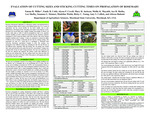
Rosemary (Rosmarinus officinalis) is a well-known culinary and medicinal herb in the Lamiaceae family, which is native to the Mediterranean area. It is a source of antioxidants and has several benefits for the body's health, such as antiinflammatory, anti-fungal activity, anti-aging, and support of the digestive system. Rosemary has several habit types: trailing, creeping, and upright; its flowers can be blue, violet, pink, or white. It could be propagated by seeds or by vegetative methods. Seedlings can show a high level of genetic diversity; therefore, vegetative propagation is used to keep the mother traits of the cultivars. One of the common vegetative methods used is cuttings. A study was conducted to evaluate the ability of different sizes of cuttings to determine the best time for sticking cuttings. This experiment was done on a raised bed in a greenhouse at Morehead State University, Derrickson Agricultural Complex, in 2024. The rosemary was propagated at four different cutting sizes, including 50, 100, 150, and 200 mm, at two different times, September 18th and October 9th. All cuttings were treated with Auxin and inserted in the media (Pro-mix BX- mycorrhizae). Cuttings were evaluated after 45 days for their rooting formation. The roots were measured, and the data was collected and analyzed. The primary results show differences in cutting size and sticking times. The best rooting results were observed when 100 mm cuttings were taken on October 9, 2024. This project is still ongoing and in the second season with new cuttings.
-
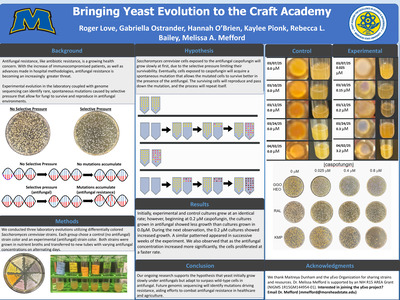
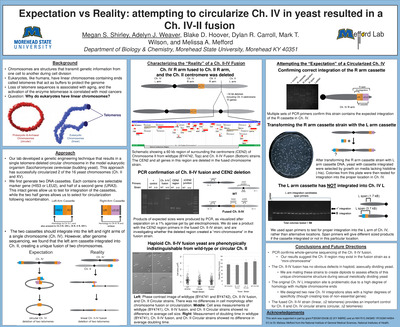
Expectation vs Reality: attempting to circularize Ch. IV in yeast resulted in a Ch. IV-II fusion
Dylan R. Carroll, Blake D. Hoover, Megan S. Shirley, Adelyn J. Weaver, Mark T. Wilson, and Melissa A. Mefford
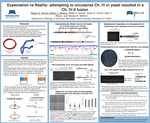
Chromosomes are structures that transmit genetic information from one cell to another during cell division • Eukaryotes, like humans, have linear chromosomes containing ends called telomeres that act as buffers to protect the genome • Loss of telomere sequences is associated with aging, and the activation of the enzyme telomerase is correlated with most cancers • Question: Why do eukaryotes have linear chromosomes?
-
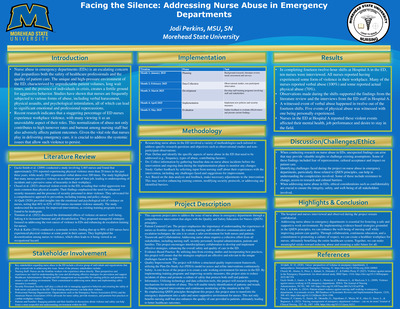
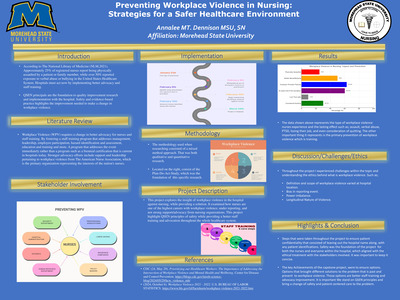
Facing the Silence: Addressing Nurse Abuse in Emergency Departments
Jodi Perkins
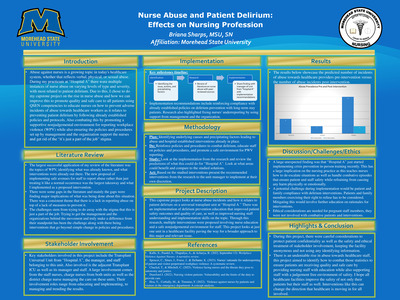
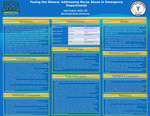
Nurse abuse in emergency departments (EDs) is an escalating concern that jeopardizes both the safety of healthcare professionals and the quality of patient care. The unique and high-pressure environment of the ED, characterized by unpredictable patient volumes, long wait times, and the presence of individuals in crisis, creates a fertile ground for aggressive behavior. Studies have shown that nurses are frequently subjected to various forms of abuse, including verbal harassment, physical assaults, and psychological intimidation, all of which can lead to significant emotional and professional repercussions. • Recent research indicates that a staggering percentage of ED nurses experience workplace violence, with many viewing it as an unavoidable aspect of their roles. This normalization of abuse not only contributes to high turnover rates and burnout among nursing staff but also adversely affects patient outcomes. Given the vital role that nurses play in delivering emergency care, it is crucial to address the systemic issues that allow such violence to persist.
-
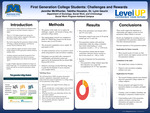
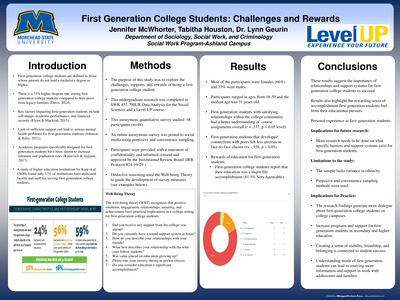
First Generation College Students: Challenges and Rewards
Tabitha Houston, Jennifer McWhorter, and Lynn Geurin
First-generation college students are defined as those whose parents do not hold a bachelor's degree or higher. • There is a 73% higher dropout rate among first generation college students compared to their peers from legacy families (Davis, 2024). • Key factors impacting first-generation students include self-image, academic performance, and financial security (Flynn & Macleod, 2015). • Lack of sufficient support can lead to serious mental health problems for first-generation students (Johnson & Riley, 2021). • Academic programs specifically designed for first generation students have been shown to increase retention and graduation rates (Katrevich & Arguete, 2017). • A study of higher education institutions by Karp et al. (2020) found only 17% of institutions have dedicated faculty and staff for serving first-generation college students.
-
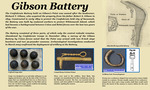
Gibson Battery
Serenity J. Baughman and Adrian Mandzy
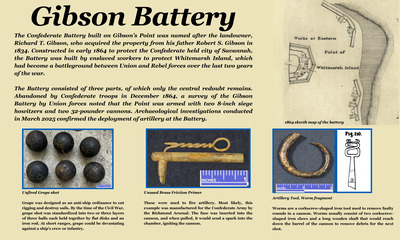
The Confederate Battery built on Gibson’s Point was named after the landowner, Richard T. Gibson, who acquired the property from his father Robert S. Gibson in 1834. Constructed in early 1864 to protect the Confederate held city of Savannah, the Battery was built by enslaved workers to protect Whitemarsh Island, which had become a battleground between Union and Rebel forces over the last two years of the war. The Battery consisted of three parts, of which only the central redoubt remains. The Battery consisted of three parts, of which only the central redoubt remains. Abandoned by Confederate troops in December 1864, a survey of the Gibson Battery by Union forces noted that the Point was armed with two 8-inch siege howitzers and two 32-pounder cannons. Archaeological investigations conducted in March 2025 confirmed the deployment of artillery at the Battery.
-
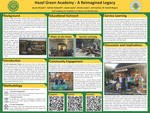
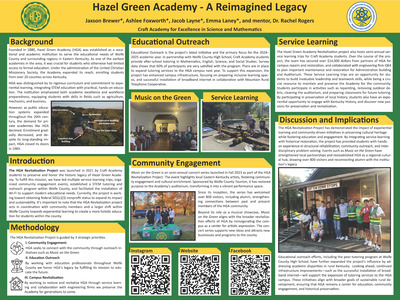
Hazel Green Academy - A Reimagined Legacy
Jaxson Brewer, Ashlee Foxworth, Jacob Layne, Emma Layne, and Rachel Rogers
A poster describing the establishment and history of the Hazel Green Academy in Wolfe County, Kentucky from 1880 to 1983.
-
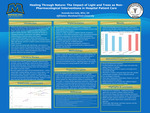
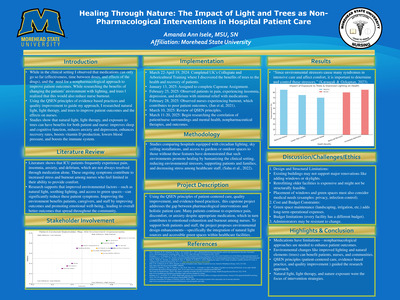
Healing Through Nature: The Impact of Light and Trees as Non- Pharmacological Interventions in Hospital Patient Care
Amanda Ann Isele
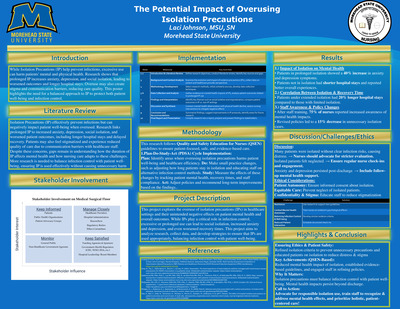
While in the clinical setting I observed that medications can only go so far (effectiveness, time between doses, and effects of the drugs), and the need for a nonpharmacological approach to improve patient outcomes. While researching the benefits of changing the patients’ environment with lighting, and trees I realized that this would also reduce nurse burnout. • Using the QSEN principles of evidence based practices and quality improvement to guide my approach, I researched natural light, light therapy, and trees to improve patient outcomes and the effects on nurses. • Studies show that natural light, light therapy, and exposure to trees can have benefits for both patient and nurse: improves sleep and cognitive function, reduces anxiety and depression, enhances recovery rates, boosts vitamin D production, lowers blood pressure, and boosts the immune system.
-
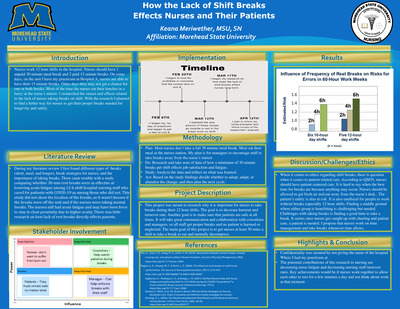
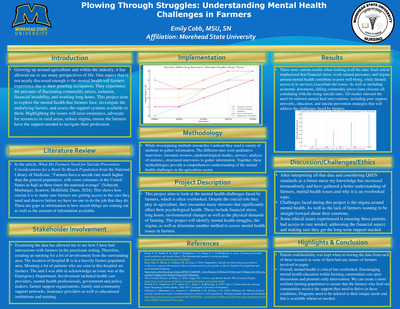
How the Lack of Shift Breaks Effects Nurses and Their Patients
Keana Meriweather
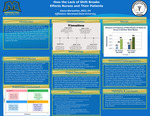
Nurses work 12 hour shifts in the hospital. Nurses should have 1 unpaid 30 minute meal break and 2 paid 15 minute breaks. On some days, on the unit I have my practicum in Hospital A, nurses are able to have their 15 minute breaks. Other days they may not get a chance for one or both breaks. Most of the time the nurses eat their lunches in a hurry at the nurse’s station. I researched the causes and effects related to the lack of nurses taking breaks on shift. With the research I planned to find a better way for nurses to get their proper breaks needed for longevity and safety.
-
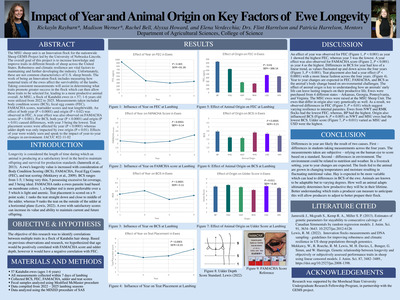
Impact of Year and Animal Origin on Key Factors of Ewe Longevity
Rachel Bell, Alyssa Howard, Rickalyn Rayburn, Elena Verdecchia, Madison Werner, Flint Harrelson, and Patricia Harrelson
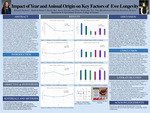
The MSU sheep unit is an Innovation flock for the nationwide Sheep GEMS Project led by the University of Nebraska-Lincoln. The overall goal of this project is to increase knowledge and improve traits in different breeds of sheep across the United States. Robustness and climatic resilience are vital factors to maintaining and further developing the industry. Unfortunately, these are not common characteristics of U.S. sheep breeds. The work of being an Innovation flock includes measuring how maternal traits of the ewes affect the survivability of the lambs. Taking consistent measurements will assist in determining what traits promote greater success in the flock which can then allow these traits to be selected for, leading to a more productive animal overall. At MSU, a flock of Katahdin ewes (n = 57; 1-6 years old were utilized from 2022 to 2025. Measurements taken included body condition scores (BCS), fecal egg counts (FEC), FAMACHA scores, teat/udder scores and teat length/width. An effect of both year (P < 0.0001) and origin (P < 0.02) was observed in FEC. A year effect was also observed on FAMACHA scores (P < 0.001). For BCS, both year (P < 0.0001) and origin (P < 0.01) caused differences, with year 3 being the lowest. Teat placement scores were affected by year (P < 0.0001) whereas udder depth was only impacted by ewe origin (P = 0.01). Effects of year were widely seen and speak to the impact of year-to-year changes in environment. IACUC #22-11-0
-
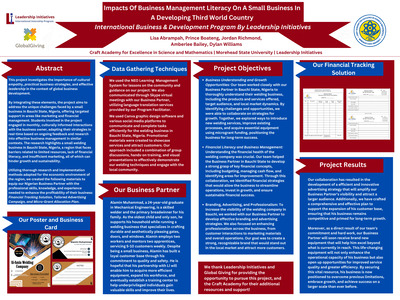
Impacts Of Business Management Literacy On A Small Business In A Developing Third World Country
Lisa Abrampah, Amberlee Bailey, Prince Boateng, Jordan Richmond, and Dylan Williams
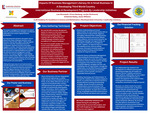
This project investigates the importance of cultural empathy, practical business strategies, and effective leadership in the context of global business development. By integrating these elements, the project aims to address the unique challenges faced by a small business in Bauchi State, Nigeria, offering targeted support in areas like marketing and financial management. Students involved in the project engaged in monthly, culturally informed interactions with the business owner, adapting their strategies in real-time based on ongoing feedback and research into effective business management in similar contexts. The research highlights a small welding business in Bauchi State, Nigeria, a region that faces barriers related to limited resources, lack of financial literacy, and insufficient marketing, all of which can hinder growth and sustainability. Utilizing thorough research and implementation methods adapted for the economic environment of the region, we created the following materials to equip our Nigerian Business Partner with the professional skills, knowledge, and experience needed to enhance the profitability of their business: Financial Tracking Solution, Tailored AdvertisingCampaign, and Micro-Grant Allocation Plan.
-
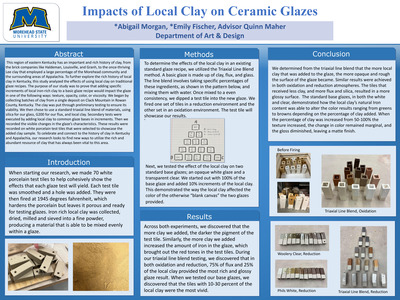
Impacts of Local Clay on Ceramic Glazes
Emily Fischer, Abigail Morgan, and Quinn Maher
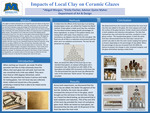
This region of eastern Kentucky has an important and rich history of clay, from the brick companies like Haldeman, Louisville, and Granh, to the once-thriving Lee clay that employed a large percentage of the Morehead community and the surrounding areas of Appalachia. To further explore the rich history of local clay in Kentucky, this study analyzed the effects of using local clay on traditional glaze recipes. The purpose of our study was to prove that adding specific increments of local iron-rich clay to a basic glaze recipe would impact the glaze in one of the following ways: texture, opacity, color, or viscosity. We began by collecting batches of clay from a single deposit on Clack Mountain in Rowan County, Kentucky. The clay was put through preliminary testing to ensure its viability. We then chose to use a standard triaxial line blend of materials, using silica for our glass, G200 for our flux, and local clay. Secondary tests were executed by adding local clay to common glaze bases in increments. Then we recorded the visible changes in the glaze’s characteristics. These results were recorded on white porcelain test tiles that were selected to showcase the added clay sample. To celebrate and connect to the history of clay in Kentucky and Appalachia, our research looks to find new ways to utilize the rich and abundant resource of clay that has always been vital to this area.
-
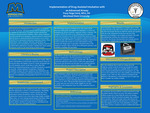
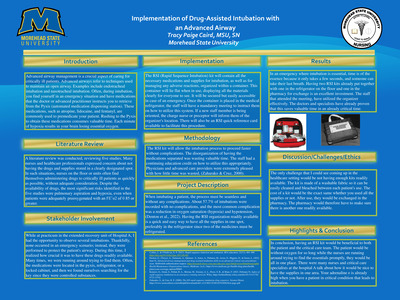
Implementation of Drug-Assisted Intubation with an Advanced Airway
Tracy Paige Caird
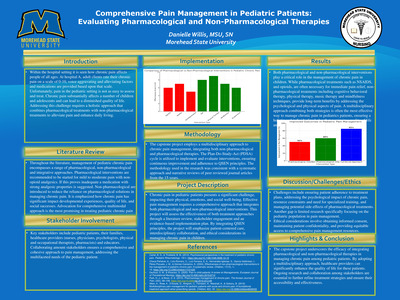
Advanced airway management is a crucial aspect of caring for critically ill patients. Advanced airways refer to techniques used to maintain an open airway. Examples include endotracheal intubation and nasotracheal intubation. Often, during intubation, you find yourself in an emergency situation and have medications that the doctor or advanced practitioner instructs you to retrieve from the Pyxis (automated medication dispensing station). These medications, such as atropine, lidocaine, and fentanyl, are commonly used to premedicate your patient. Rushing to the Pyxis to obtain these medications consumes valuable time. Each minute of hypoxia results in your brain losing essential oxygen.
-
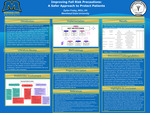
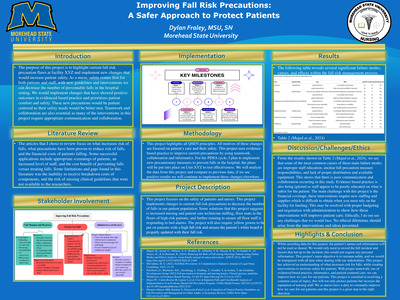
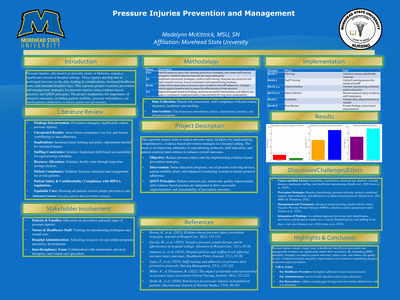
Improving Fall Risk Precautions: A Safer Approach to Protect Patients
Dylan Fraley
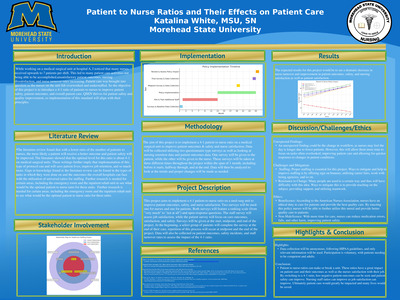
The purpose of this project is to highlight current fall risk precaution flaws at facility XYZ and implement new changes that would increase patient safety. As a nurse, safety comes first for both patients and staff, with new guidelines and interventions we can decrease the number of preventable falls in the hospital setting. We would implement changes that have showed positive outcomes in evidenced based practice and prioritizes patient comfort and safety. These new precautions would be patient centered as their safety needs would be better met. Teamwork and collaboration are also essential as many of the interventions in this project require appropriate communication and collaboration.
-
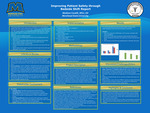
Improving Patient Safety through Bedside Shift Report
Madison Caudill
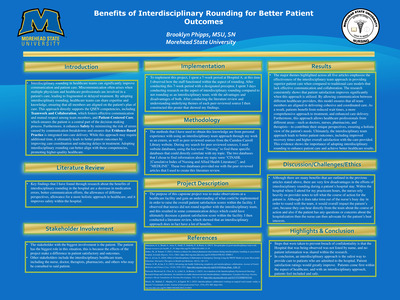
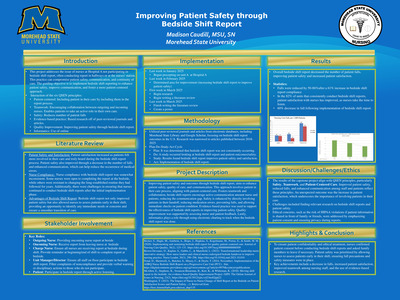
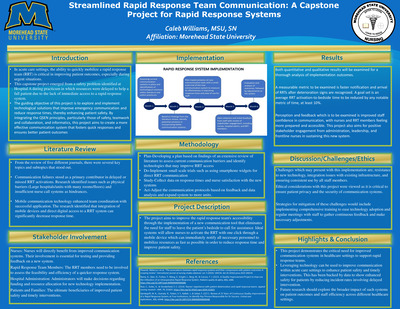
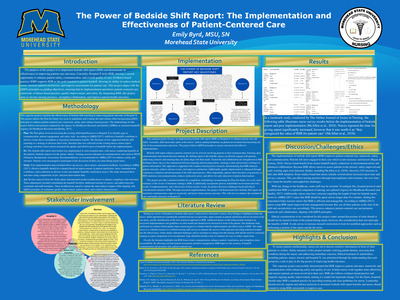
This project addresses the issue of nurses at Hospital A not participating in bedside shift report, often conducting report in hallways or at the nurses' station. This practice can compromise patient safety, communication, and continuity of care. The guiding objective is to implement bedside shift reporting to enhance patient safety, improve communication, and foster a more patient-centered approach. • Interaction of the six QSEN principles: • Patient-centered: Including patient in their care by including them in the report process. • Teamwork: Encouraging collaboration between outgoing and incoming nurses. Enables patients to take an active role in their own care. • Safety: Reduces number of patient falls • Evidence-based practice: Based research off of peer-reviewed journals and articles. • Quality Improvement: Improving patient safety through bedside shift report. • Informatics: Use of online
-
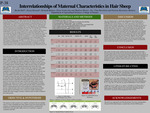
Interrelationships of Maternal Characteristics in Hair Sheep
Rachel Bell, Alyssa Howard, Rickalyn Rayburn, Elena Verdecchia, Madison Werner, Flint Harrelson, and Patricia Harrelson
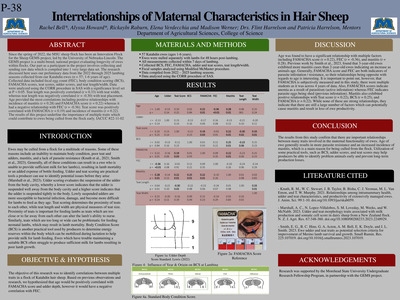
Since the spring of 2022, the MSU sheep flock has been an Innovation Flock for the Sheep GEMS project, led by the University of Nebraska-Lincoln. The GEMS project is a multi-breed, national project evaluating longevity of ewes within flocks. Our part as a participant in the project involves collecting and sending raw data which is compiled into 1 very large data set. The research discussed here uses our preliminary data from the 2022 through 2025 lambing seasons collected from our Katahdin ewes (n = 57; 1-6 years of age). Collected data included fecal egg count (FEC), body condition scoring (BCS), FAMACHA scores, teat scores, udder scores, and teat length/width. Data were analyzed using the CORR procedure in SAS with a significance level set at P < 0.05. Teat length was positively correlated (r = 0.33) with teat width, whereas teat length was negatively correlated (r = -0.30) with teat placement. Age provided the most correlations including positive relationships with incidence of mastitis (r = 0.28) and FAMACHA score (r = 0.22) whereas it had a negative relationship with FEC (r = -0.36). Teat score was positively correlated with FAMACHA (r = 0.19) and incidence of mastitis (r = 0.22). The results of this project underline the importance of multiple traits which could contribute to ewes being culled from the flock early. IACUC #22-11-02
-
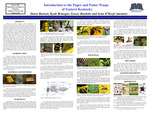
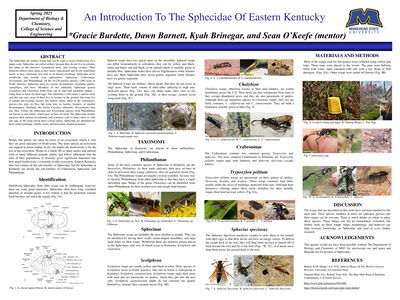
Introduction to the Paper and Potter Wasps of Eastern Kentucky
Dawn Barnett, Kyah Brinegar, Gracie Burdette, and Sean O'Keefe
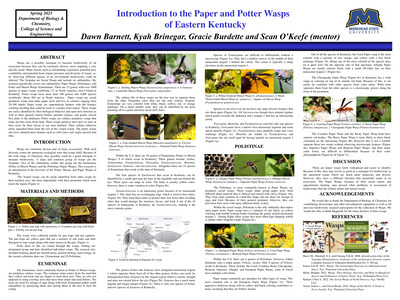
Wasps are a possible surrogate to measure biodiversity of an ecosystem because they can be extremely diverse, most requiring a very specific niche. Many factors such as surrounding vegetation, potential prey availability, and potential hosts impact presence and diversity of wasps; so, by observing different species in an environment biodiversity could be inferred. The Vespidae are Social Wasps and include six subfamilies. My research specifically covers two subfamilies: Paper Wasps (Polistinae), and Potter and Mason Wasps (Eumeninae). There are 25 genera with over 1000 species of paper wasps worldwide; 27 in North America, and 8 found in Kentucky. Potter wasps have more than 180 genera and 3,000 species worldwide: about 260 are in North America. Paper wasps are social predatory wasps that make paper nests and live in colonies ranging from 20-100 adults. Paper wasps are opportunistic hunters with the females catching anything that could be used as a proper food source. These wasps are easily identified by their biological behavior and open nest structure as well as their sparsely haired bodies, pointed clypeus, and gently curved first plate to the abdomen. Potter wasps are solitary predatory wasps that make pot-like nests from mud. These wasps paralyze their prey to store in their nests for their larvae to eat once hatched. Their solitary behavior alone separated them from the rest of the vespid wasps. The potter wasps also have identification features such as cleft claws and single spurred mid tibia.
-
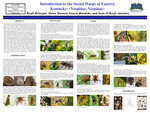
Introduction to the Social Wasps of Eastern Kentucky: (Vespidae, Vespinae)
Dawn Barnett, Kyah Brinegar, Gracie Burdette, and Sean O'Keefe
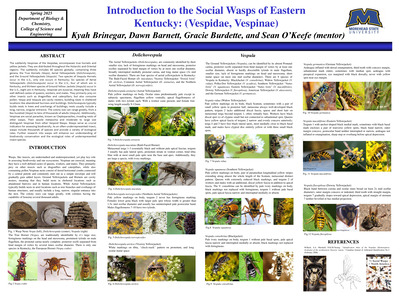
The subfamily Vespinae of the Vespidae, encompasses true hornets and yellow jackets. They are distributed throughout the Holarctic and Oriental regions. The subfamily includes 80 species globally, comprising three genera, the True Hornets (Vespa), Aerial Yellowjackets (Dolichovespula), and the Ground Yellowjackets (Vespula). Two species of Vespula Hornets occur in the U.S., only one occurs in Kentucky; Six species of Aerial Yellowjackets (Dolichovespula) occur in the U.S., four of which are in Kentucky, and thirteen species of Ground Yellow Jackets (Vespula) occur in the U.S., eight are in Kentucky. Vespinae are eusocial, meaning they have well defined castes of queens, workers, and males. They primarily prey on other insects such as dragonflies and caterpillars, but also consume pollen. Vespa and Vespula are cavity nesters, building nests in sheltered locations like abandoned burrows and buildings. Dolichovespula typically builds nests in trees and overhangs of buildings; nests usually include a long, narrow, singular entrance. The colony size can range greatly, from a few hundred (Vespa) to tens of thousands of adults (Vespula). Additionally, Vespinae are social parasites, known as Cleptoparasites, invading nests of other wasps. Their sessile metasoma and moderate to large size distinguish Vespinae from other Vespoid Wasps. Wasps serve as crucial indicators for assessing biodiversity. As an often-underrepresented insect, wasps include thousands of species and provide a variety of ecological roles. Further research into wasps will enhance our understanding of biodiversity conservation and the ecological roles of underrepresented insect species.
-
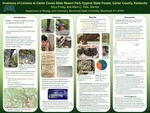
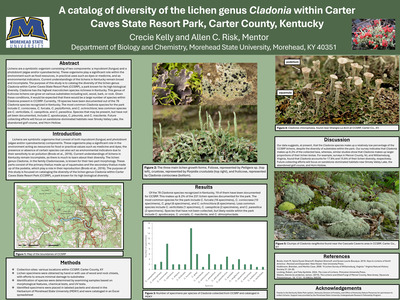
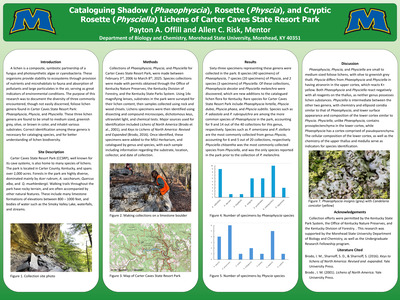
Inventory of Lichens at Carter Caves State Resort Park-Tygarts State Forest, Carter County, Kentucky
Aliya Frisby and Allen C. Risk
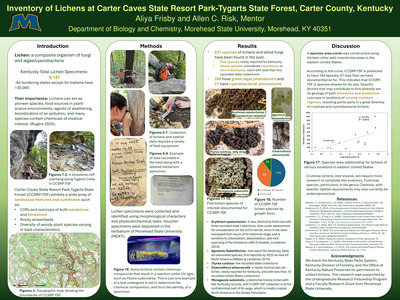
Lichen: a composite organism of fungi and algae/cyanobacteria Kentucky Total Lichen Specimens: 9,141 -All bordering states except for Indiana have >20,000 Their importance: Lichens can act as pioneer species, food sources in plant-scarce environments, agents of weathering, bioindicators of air pollution, and many species contain chemicals of medical interest (Rogers 2025).
-
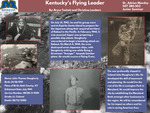
Kentucky's Flying Leader: John Thomas Daugherty
Christina Lambert, Bryce Tackett, and Adrian Mandzy
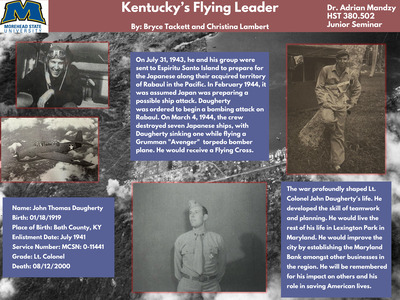
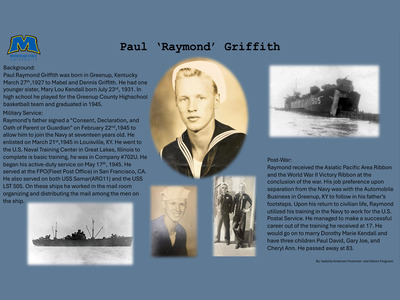
This Public History research project was completed in the fall of 2024 as part of Junior Seminar (History 380.502). The class explored how World War II impacted the lives of individuals living in Eastern Kentucky and our research focused on Bath County native and Flying Cross recipient John Thomas Daugherty. Completed by Bryce Tackett and Christina Lambert, the project included a physical poster and a digital PowerPoint presentation, both of which can be viewed on Morehead State University's ScholarWorks website. Like the other individuals researched during the course of this class, our focus on the life of John "Big Dog" Daugherty allowed us to share his story with the greater community, both on campus and at various venues in the region throughout 2025.