Rufus Mitchell Reed was born May 5, 1895, on Wolf Creek at Caney in Martin County, Kentucky. He attended a little one-room country school and Inez High School. In 1917, he graduated Sandy Valley Seminary in Paintsville, Kentucky. In April of 1918, he was inducted into the United States Army and served during the First World War. After the war, he taught for ten years at Kentucky public schools before acquiring his doctorate in Psychology from Taylor University. He later studied Civil Engineering and became a Registered Professional Engineer and began surveying the Appalachian hills in eastern Kentucky. He died on April 4, 1984 at the age of 88. He was interred at Caney Cemetery in Martin County. A branch of the Martin County Public Library at Lovely, Kentucky was named in his honor.
Publication rights have been granted by Scott Hyer and the decedents of Rufus Reed.
-
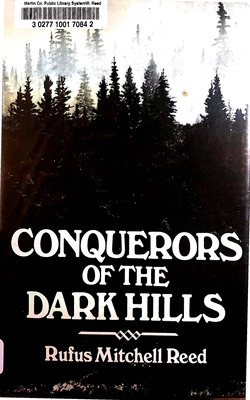
Conqueror of the Dark Hills
Rufus Reed
From the author: Here is the story of the miraculous transformation of Martin County, Kentucky, from a state of abject poverty to a rise to unparalleled prosperity. It's the story of the brave and hardy men who stuck with it, who eked out a bare living, finally passing their hardiness and heartiness to the future residents, those who got it where it is today.
-
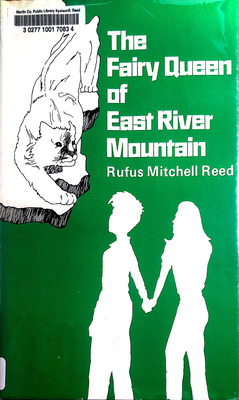
Fairy Queen
Rufus Reed
From the Author: The Fairy Queen of East River Mountain is an enchanting children's story which teaches some very valuable lessons about nature and the environment. The story unfolds as Billy and his sister Betty are beckoned into the forest by a friendly squirrel. They are soon lost in the dark woods and are afraid--but they are soon met by the good Fairy Queen Sylvia.
-

Forever To Sing
Rufus Reed
From the Author Introduction: Appalachia is my native land; it is chock full of beauty, song and poetry, and I have loved it as long as I can remember. The songs and poetry of Appalachia are written on my heart from childhood.
-
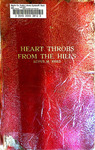
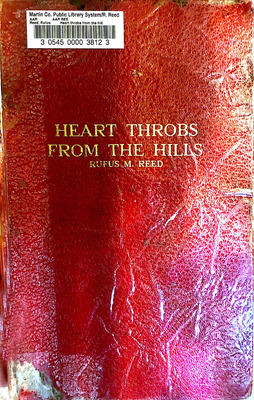
Heart Throbs From The Hills
Rufus Reed
From the Author: To My Readers: In presenting you this volume, Heart Throbs From The Hills, I hope to inspire your heart with the beauty and scenic grandeur of the Kentucky Hills. These are my native hills and I have loved them ever since I can remember. To me they are the most beautiful hills of America
-

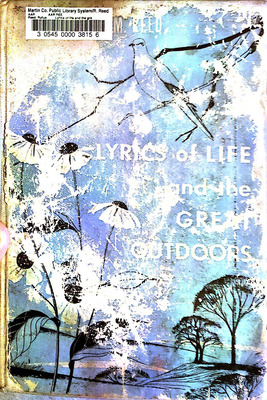
Lyrics of Life and the Great Outdoos
Rufus Reed
From the Author: This book of poetry is truly representative of the American spirit in writing. The author, a native of Kentucky, sings lyrically of the beauty of the trees, the landscapes, the flowers and mosses--even the bullfrogs--of his beloved Southern hills. In addition, he captures and expresses the speech patterns and other folk qualities of the people with whom he is so familiar.
-
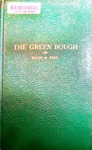
The Green Bough
Rufus Reed
To my readers:--In presenting you this, my third volume of verse, I hope it will inspire you to keep always a green bough of summer alive in your heart, that you may preserve the beauty of summer and have many of her finest song birds to make music to delight the soul.
-
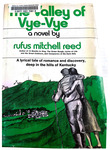
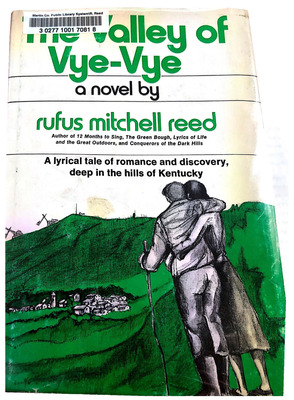
The Valley of the Vye-Vye
Rufus Reed
Jack Van Arden, spoiled and rebellious scion of a wealthy and socially prominent Chicago family, gasps at the vision before him on his television screen. The announcer has called Miss Violet Crenshaw to accept the title of beauty queen, and rightly so--for she is beautiful in a breathtaking fashion. Incredibly, before the wispy, blond girl can accept, she is forcefully led away by a stern, forbidding man--her father. Moved by the girl's unearthly beauty, Jack determines on the spot that he will find her and make her is bride.
-
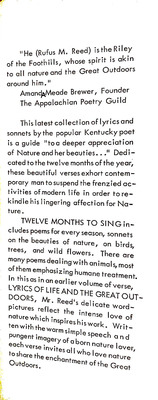
Twelve Months to Sing
Rufus Reed
This latest collection of lyrics and sonnets by the popular Kentucky poet is a guide to deeper appreciation of Nature and her beauties. Dedicated to the twelve months of the year~ these beautiful verses exhort contemporary man to suspend the frenzied activities of modern life in order to rekindle his lingering affection for Nature.
-

untitled
Rufus Reed
The taxicab braked to a stop at the end of the paved road which meandered up the narrow valley of Pigeon Roost Creek in the eastern Kentucky mountains. Sol James sat staring up the rutted unpaved road that wound on up the valley from the end of the hard top. He ' shook his head in dismay and turned to his lone passenger, David Layne, a university student on his way home. Sol sighed and, in the doing, admitted defeat. "This is the end of the line for me, Dave old boy."